Playtime Ideas: 10 Creative Ways to Make Every Moment Count and Fun
You know, as someone who's been gaming for over a decade, I've noticed something fascinating about how we approach playtime - both in games and real life. We often get so caught up in achieving goals that we forget to enjoy the journey itself. That's why I was absolutely captivated when I discovered Creatures of Ava recently, and it completely reshaped how I think about making every moment count. Let me walk you through some questions that might transform your perspective too.
What makes moment-to-moment gameplay so special anyway?
When I first started playing Creatures of Ava, I expected another beautiful indie game with pretty visuals. But man, was I wrong! The developers absolutely nailed what makes gameplay magical - it's not about rushing to the next objective, but about savoring each interaction. The "moment-to-moment gameplay" they've crafted is pure genius. Instead of mindlessly hacking through enemies, you're constantly engaged in this beautiful dance of evasion and defense. It made me realize that our best playtime ideas - whether in games or with our kids - aren't about the destination, but about making every single moment count through meaningful engagement.
How can you create excitement without traditional conflict?
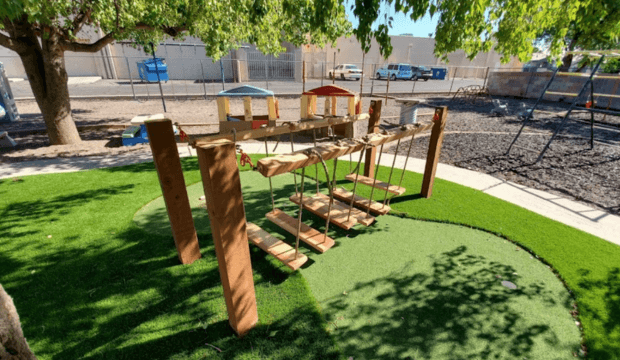
Here's where Creatures of Ava completely blew my mind. The game "repurposes years of action-adventure mechanics to create a nonviolent world that is still full of action." Think about that for a second - they took everything we know about action games and flipped it on its head. Vic, the protagonist, never actually fights back. Her "entire moveset consists of dodging, leaping, rolling, and otherwise stifling the animals' attacks." I've been applying this principle to my own playtime ideas with my nieces - we create obstacle courses where the goal isn't to "beat" anything, but to creatively navigate challenges. The result? Way more laughter and way fewer tears than competitive games usually generate.
What role does creativity play in making moments memorable?
The magical staff Vic uses isn't a weapon - it's a tool for cleansing and healing. This subtle shift changes everything! Instead of thinking "how do I defeat this creature," you're constantly problem-solving: "How do I approach this situation creatively to help rather than harm?" This philosophy has completely transformed my approach to "Playtime Ideas: 10 Creative Ways to Make Every Moment Count and Fun." Whether I'm designing games or planning activities for friends, I now focus on tools and scenarios that encourage creative problem-solving rather than brute force solutions. The most memorable moments come from those "aha!" instances where you discover an approach nobody considered before.
Can defensive mechanics actually be more engaging than offensive ones?
I'll admit - I was skeptical at first. As someone who grew up on games where bigger guns meant more fun, the idea of a game built around "evasion and defense" sounded... well, boring. But after about two hours with Creatures of Ava, I was hooked. The combat system being "built entirely around evasion and defense" creates this incredible tension where you're constantly reading patterns, anticipating moves, and reacting with precision. It's somehow more intense than any shooter I've played recently. This completely validates my belief that the best "playtime ideas" often come from constraints and unique rules that force us to think differently.
How do you maintain progression without traditional rewards?
Here's the really clever part - despite the nonviolent approach, the game maintains "compelling progression" that keeps you invested. Vic grows and changes through her interactions with the world, not through accumulating power or weapons. The corruption has creatures "on the offensive," but your growth comes from mastering movement and understanding patterns rather than dealing damage. This mirrors what I've found makes the best real-world playtime ideas successful - the progression comes from personal improvement and deeper understanding, not from external validation or scores. Whether you're learning a new skill or playing with children, the most satisfying growth happens when you're focused on the experience itself rather than artificial rewards.
What can we learn about designing meaningful interactions?
The beautiful irony of Creatures of Ava is that by removing violence, the developers actually created more meaningful interactions. When Vic seeks "to cleanse the animals with a magical staff," every encounter becomes a puzzle rather than a battle. You're not trying to eliminate threats but to understand and help them. This has profoundly influenced how I think about designing activities and games. The most engaging "playtime ideas" emerge when we focus on understanding and connection rather than domination. I've noticed that activities built around this principle - whether it's cooperative board games or creative projects - tend to create much more lasting memories and deeper engagement.
Why does this approach make every moment more fun?
After spending about 15 hours with Creatures of Ava (yes, I tracked it - I was that invested), I realized something crucial: by forcing players to never "pay back any damage in kind," the game makes you appreciate every single movement, every dodge, every successful evasion. There's this incredible satisfaction in perfectly navigating a challenging situation without causing harm. It's made me rethink what makes moments truly fun - it's not about winning or losing, but about the quality of engagement. When we apply this to our "playtime ideas," whether we're playing with kids, friends, or by ourselves, we start focusing on the richness of each interaction rather than just the outcome.
The truth is, Creatures of Ava taught me more about designing meaningful experiences than any game design book ever could. It proves that you can create tension, excitement, and progression without relying on traditional conflict. As I continue to develop my own "Playtime Ideas: 10 Creative Ways to Make Every Moment Count and Fun," I keep coming back to that fundamental insight: the most memorable moments often come from what we choose not to do as much as what we choose to do. By focusing on creativity, understanding, and nonviolent engagement, we can transform ordinary moments into extraordinary experiences that stay with us long after the game ends or the activity concludes.